


Eötvös Loránd University has launched its new Sustainability Flagship Programme with a conference that set the tone for the institution’s long term ambitions. At the opening event, the university presented its activities in advancing sustainability goals and outlined its development priorities for the period leading up to 2030. The initiative marks the beginning of a new chapter in the university’s life: sustainability is set to become a defining principle across education, research, innovation, the operation of campuses and community engagement.
The University Centre for Sustainability Development Goals, established on January 23, 2026, is part of ELTE’s three interconnected flagship programmes along with the Knowledge Centre for Artificial Intelligence and Disruptive Technologies and the recently launched Student Centred Digital Skills and Competence Development Centre.
At the heart of the new, comprehensive development programme:
lies the ambition to feature sustainability systematically across every aspect of institutional functioning
from education and research to innovation, campus development, community building and the promotion of equal opportunities. The initiative provides a unified strategic and design framework for long-term efforts aimed at enhancing the university’s social responsibility and strengthening its international competitiveness.
In his keynote speech, Lénárd Darázs, rector of ELTE, emphasised that sustainability represents one of the university’s most complex strategic undertakings and a key area for future growth, which this requires an institution wide change of perspective grounded in transparent, measurable and feedback driven actions. ELTE aims to align its activities with the United Nations’ Sustainable Development Goals, thereby ensuring transparency, accountability and comparability in both national and global contexts. The rector highlighted the university’s commitment to building a resilient, future proof academic environment that integrates sustainability into education, research and societal engagement alike.
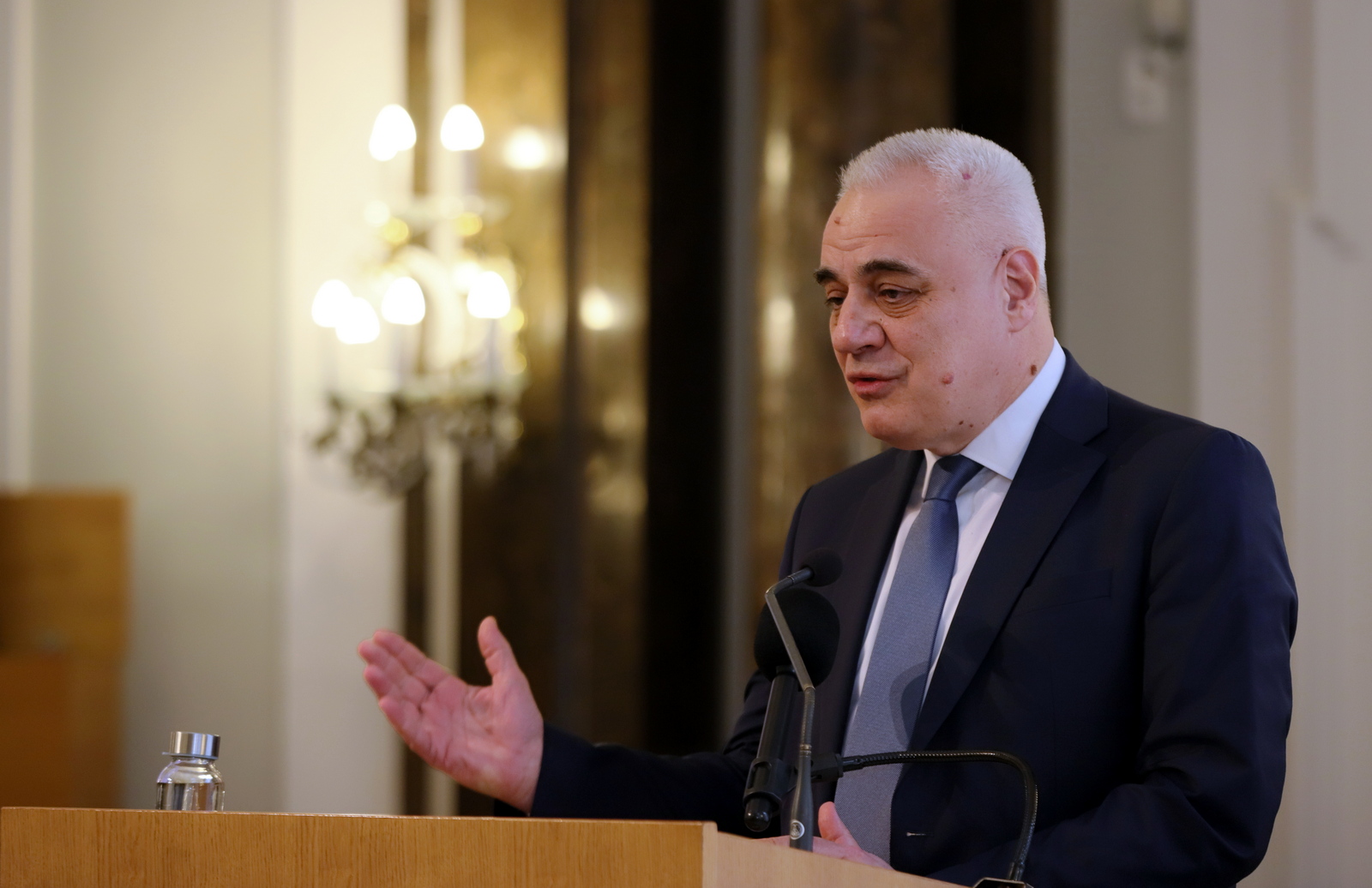
The conference’s presentations explored the national and global dimensions of sustainability and examined ELTE’s role and potential contributions¬—from governmental, academic and international perspectives—within this evolving landscape.
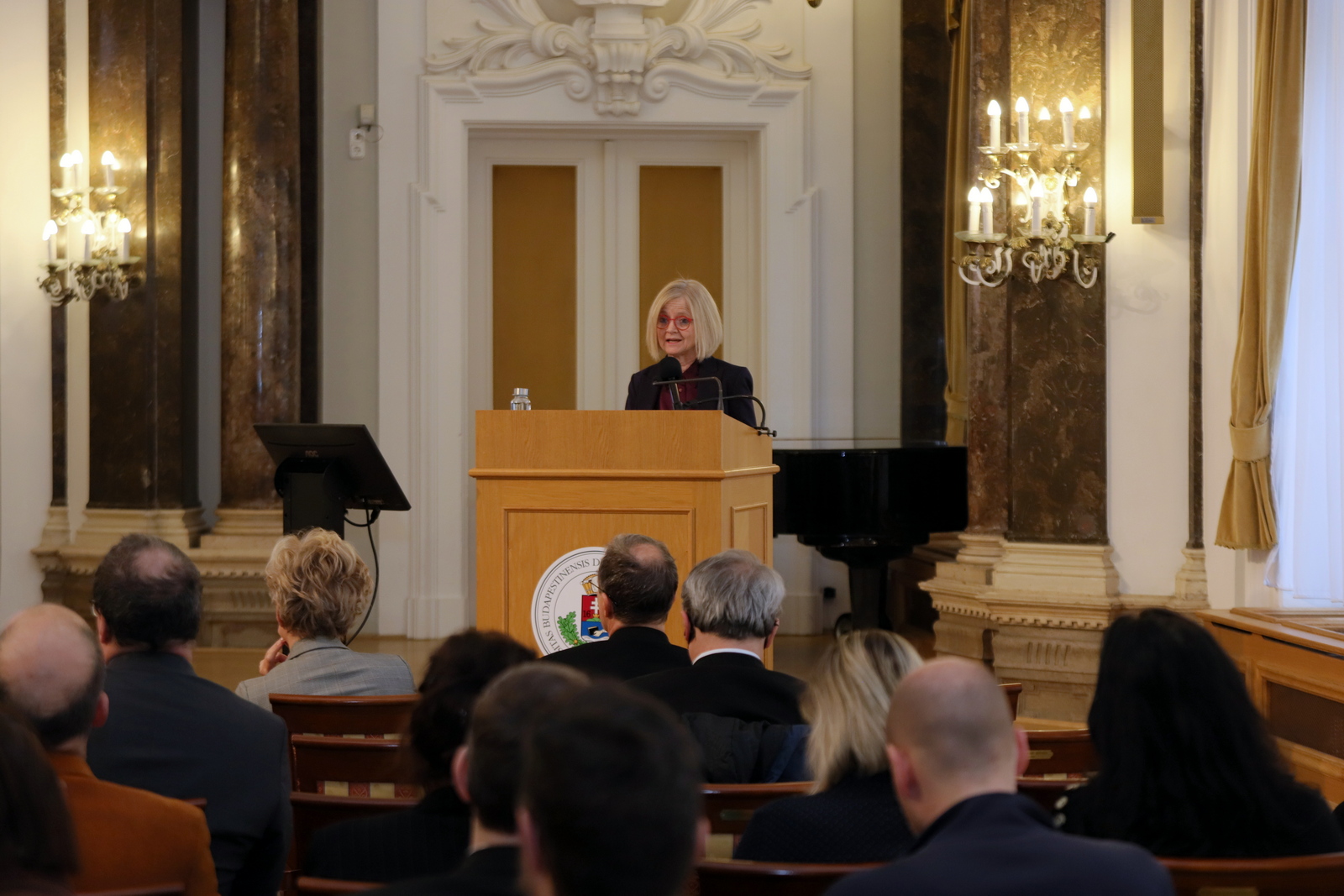
In his presentation, Csaba Gondola, state secretary for circular economy and climate policy at the Ministry of Energy, underlined that sustainability is one of the defining global megatrends of our era. The green and digital transitions are occurring simultaneously, he noted, and must be regarded not as mere opportunities but as unavoidable imperatives. In this transformation, comparable to a new industrial revolution, universities play a pivotal role in knowledge driven adaptation. Environmental objectives can only be met, he argued, if they are harmonised with economic and social sustainability, enabling a successful and “orderly transition”.
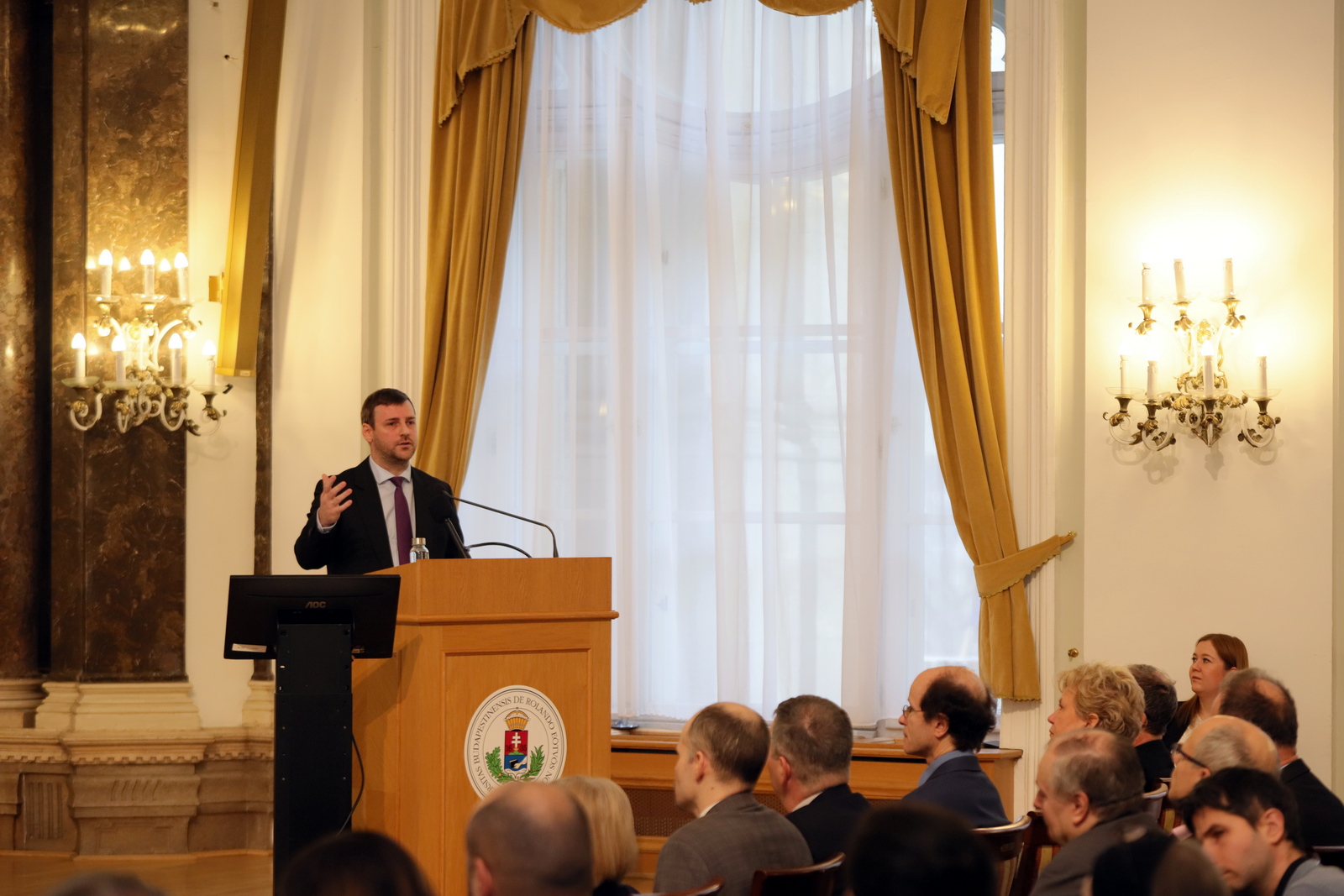
The foundations and vision of the Sustainability Flagship Programme were presented by Judit Mádlné Szőnyi, ELTE’s vice rector and the Flagship Programme’s coordinator. She accentuated that sustainability forms an integral part of the university’s quality development plan for 2030. The programme is built around three key pillars: the implementation of the flagship initiative itself, the development of core activities in alignment with the SDGs, and the horizontal integration of equity, inclusion and equal opportunities.
The vice rector also provided an overview of an innovative analysis of the university’s educational and research activities, demonstrating that ELTE already possesses an exceptionally strong sustainability base. More than 76% of its research portfolio (375 projects) are connected to sustainability goals, while 62% of its offered courses feature sustainability components. These aspects are also deeply embedded in the university’s third mission activities.
Innovation at ELTE is centred around health and well being, climate action and social innovation including quality education and equitable access. Built on its uniquely diverse research university foundation, the prominence of ELTE’s educational and research innovations are exemplified by several major ELTE led projects (such as National Laboratory for Social Innovation and DOKK). The university’s knowledge transfer activities are especially strong in technology, circular economy and climate related fields (Research and Industrial Relations Centre, Faculty of Science).
Sustainability also informs campus development initiatives, including energy efficient building modernisations, renovations and accessibility improvements, as well as community building programmes aimed at shaping attitudes and promoting responsible practices. Based on this foundation, the Sustainability Flagship Programme
provides a coherent vision, an operational framework, a clear focus and development priorities for ELTE’s efforts to meet the sustainability challenges of the 21st century.
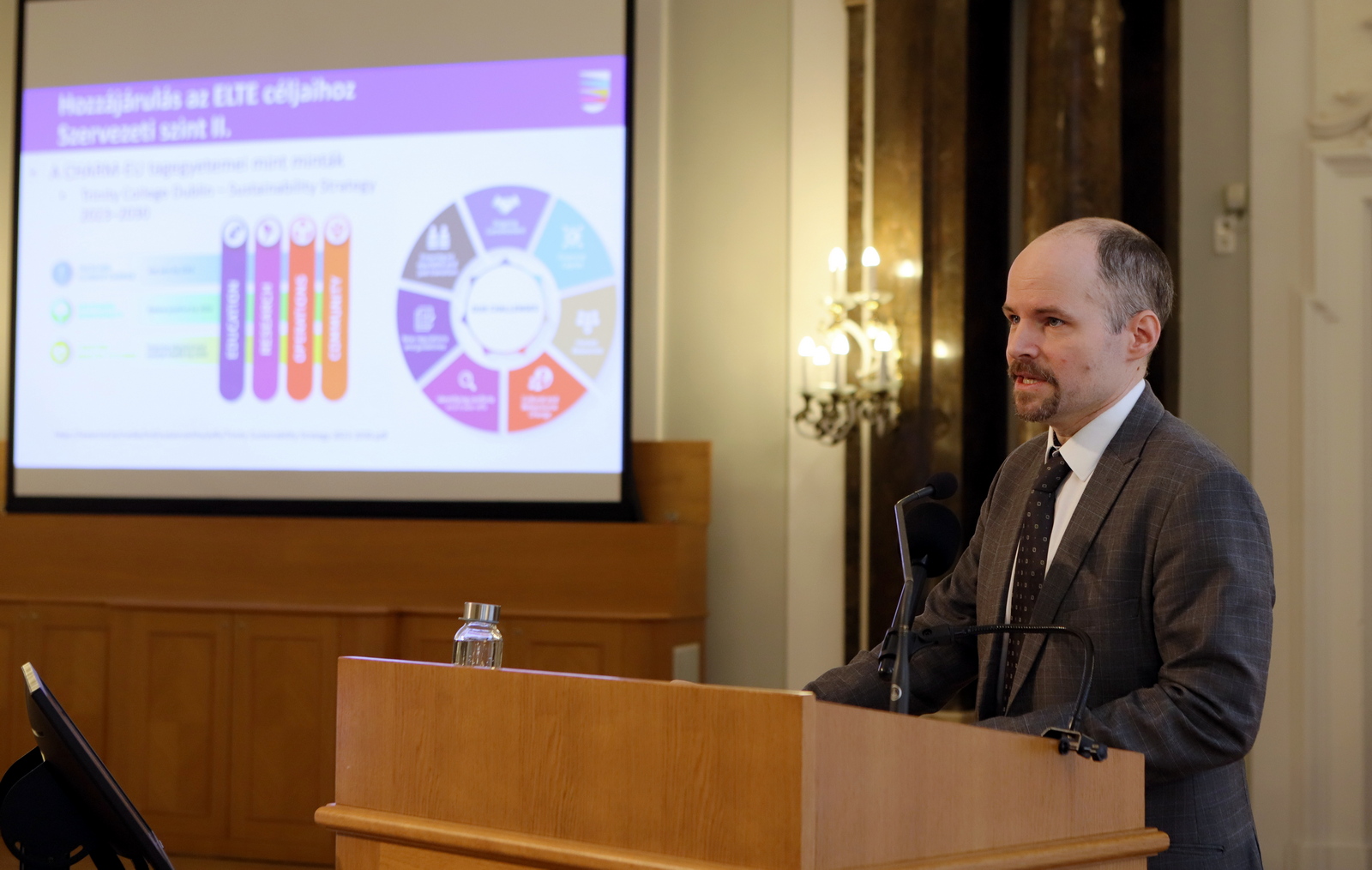
The university’s international engagement is strengthened through the CHARM-EU alliance, which supports ELTE’s sustainability goals through joint best practice sharing and collaborative developments across education, research and institutional operations. Ferenc Takó, head of the CHARM EU Office, outlined how the alliance furthers the defined objectives through pedagogical innovation, sustainability focused learning modules, micro credentials, winter and summer universities, as well as enhanced models for mobility and virtual collaboration.
ELTE’s development cycle to 2030 positions sustainability as the foundation of its institutional culture and operations, built on a unified data system and measurable objectives, reflecting excellence even in international comparison. In service of these goals, the Sustainability Flagship Programme simultaneously strengthens the university’s competitiveness and social responsibility while contributing to the creation of a more inclusive and sustainable future.