


Eötvös Loránd University has launched its new Artificial Intelligence Flagship Programme on 6 March, 2026. The initiative aims to integrate artificial intelligence across every aspect of institutional functioning from education and research to third mission activities. The programme supports the institutional goal to become a multidisciplinary AI knowledge centre by 2030, while ensuring a responsible, ethical, and competitive response to the challenges of technological transformation.
The AI Flagship Programme represents the final pillar of three interconnected university development flagship programmes designed to further strengthen ELTE’s national and international competitiveness. The AI initiative complements the Student Centred Digital Skills and Competence Development Centre, launched in December 2025, as well as the University Centre for Sustainable Development Goals, established in January 2025.
Artificial intelligence requires a fundamental shift in HEIs: for years, ELTE has been not as a passive observer but as an active shaper of technological change. Accordingly, the University seeks to interpret and integrate AI strategically across all its activities in line with its strategic objectives for 2025–2030. The AI Flagship Programme aims to ensure that ELTE becomes a multidisciplinary knowledge hub for artificial intelligence and other disruptive technologies.
The comprehensive development programme establishes the framework for university-level AI governance, supports the understanding and responsible use of AI in education and student life, empowers academic staff with cutting edge AI skills and strengthens interdisciplinary research, science communication, and knowledge transfer related to AI. In addition, it promotes the efficiency of institutional operations and addresses the legal, ethical, and societal issues associated with the use of artificial intelligence.
The programme also seeks to create a platform for university citizens and stakeholders to discuss burning questions, experiences and good practices related to the role of AI in higher education. The first outcome of this effort is a Rector’s Order regulating students’ use of AI. Developed with the involvement of a broad range of stakeholders, this directive adopts a uniquely supportive approach and provides university-level regulation on the issue within Hungary.
Lénárd Darázs, Rector of ELTE, emphasised that ELTE, as an institution responsible for educating future intellectual community, considers it its mission to integrate artificial intelligence in its full complexity into its educational, research, and third mission activities.
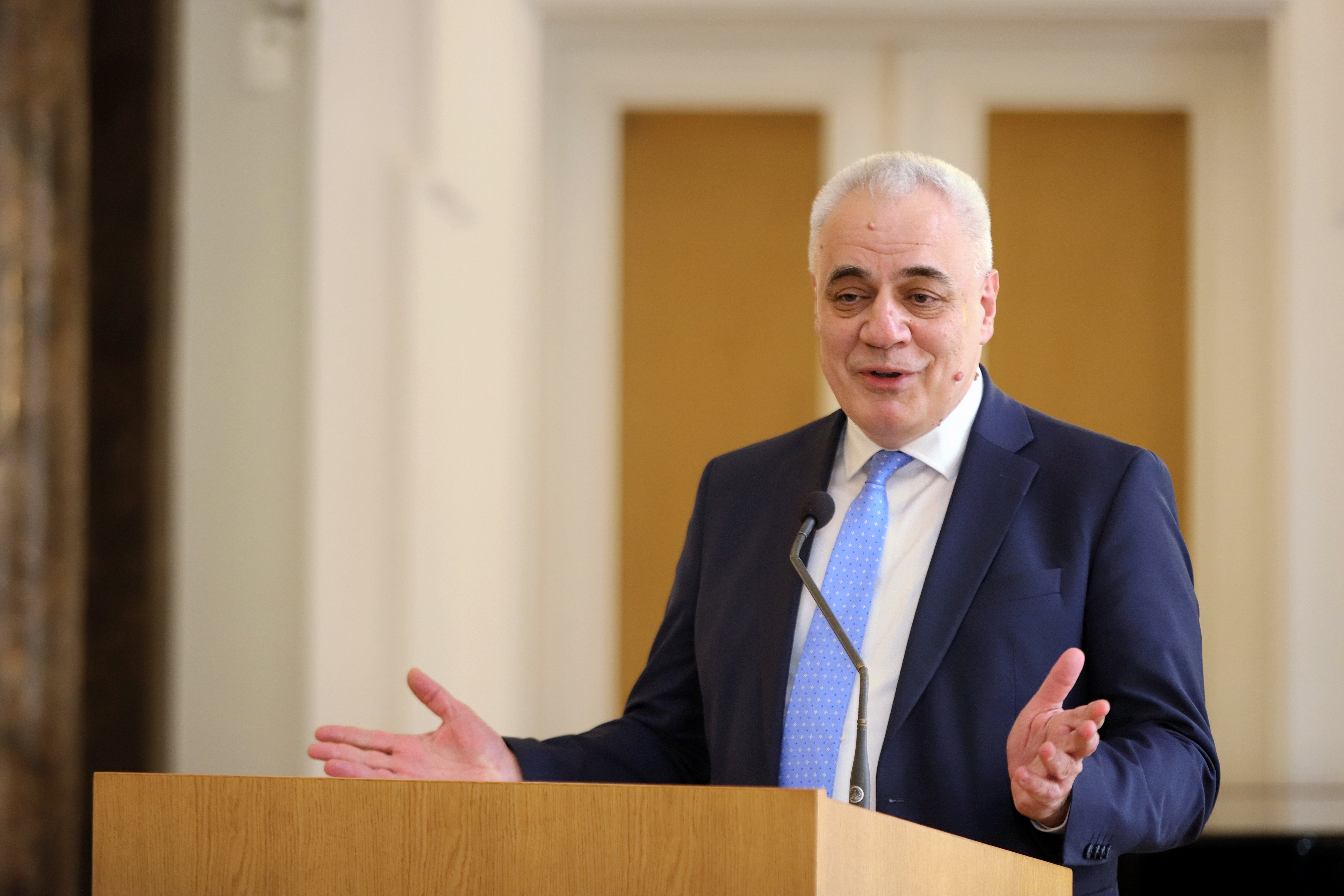


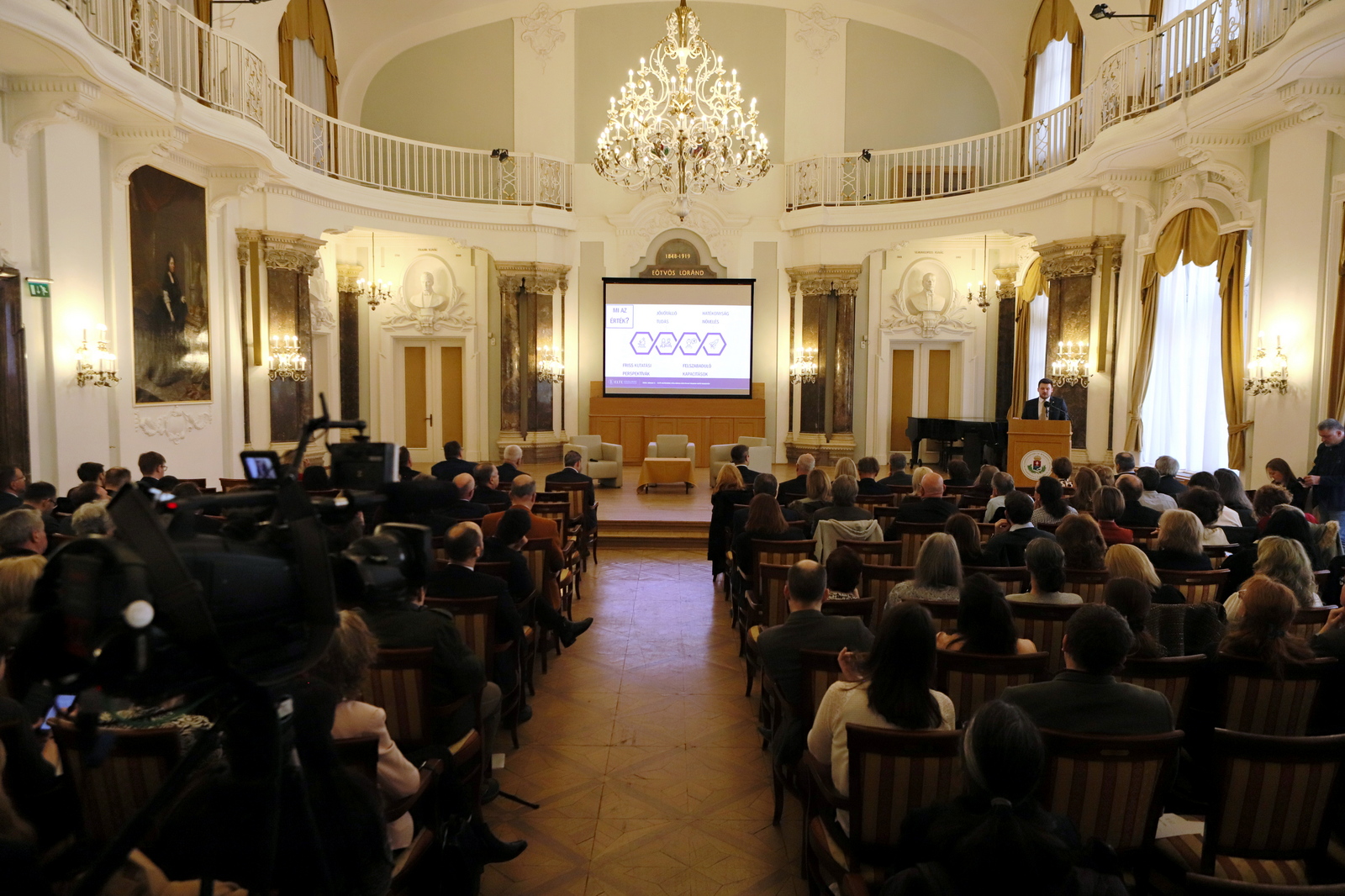

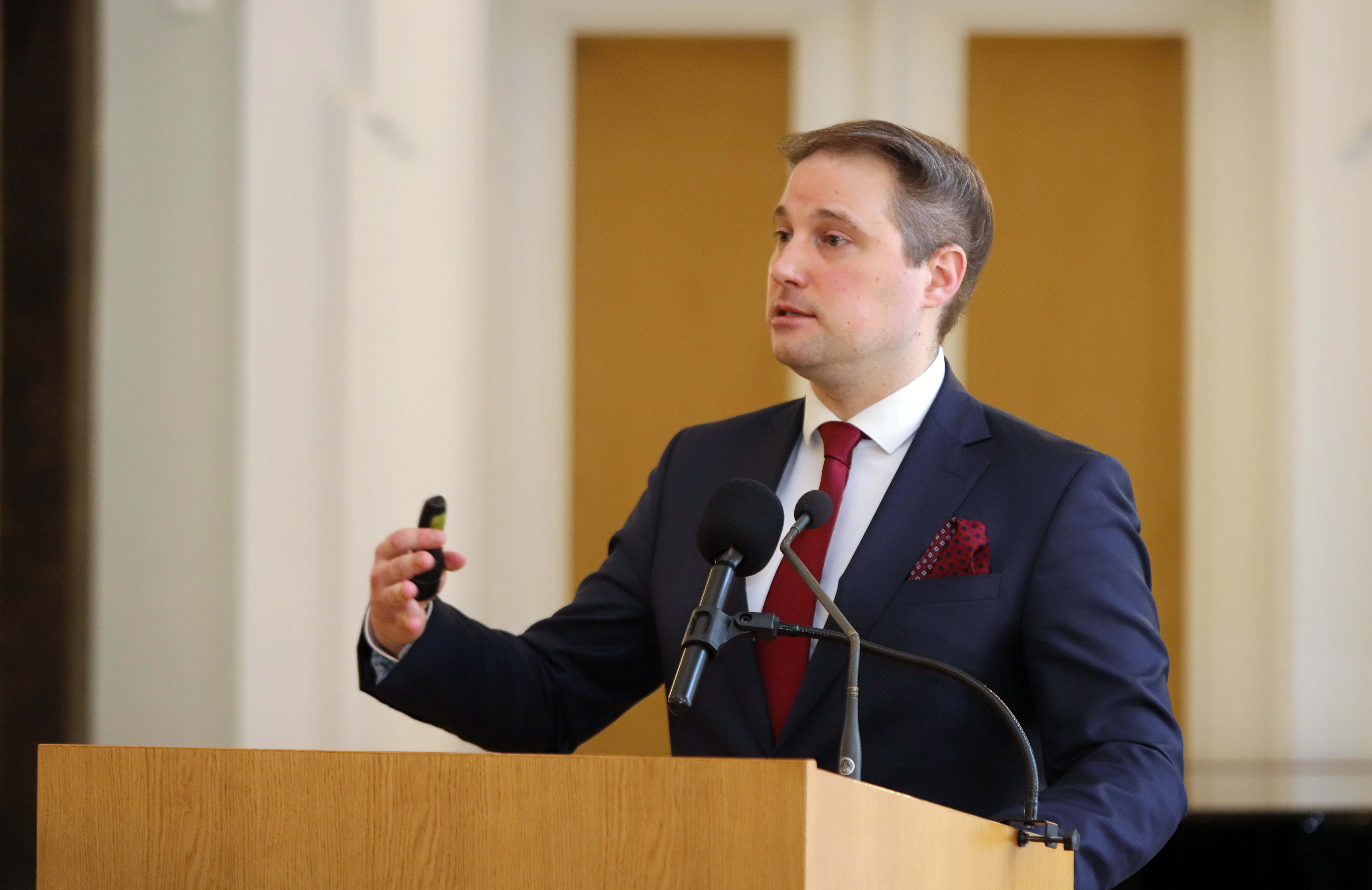

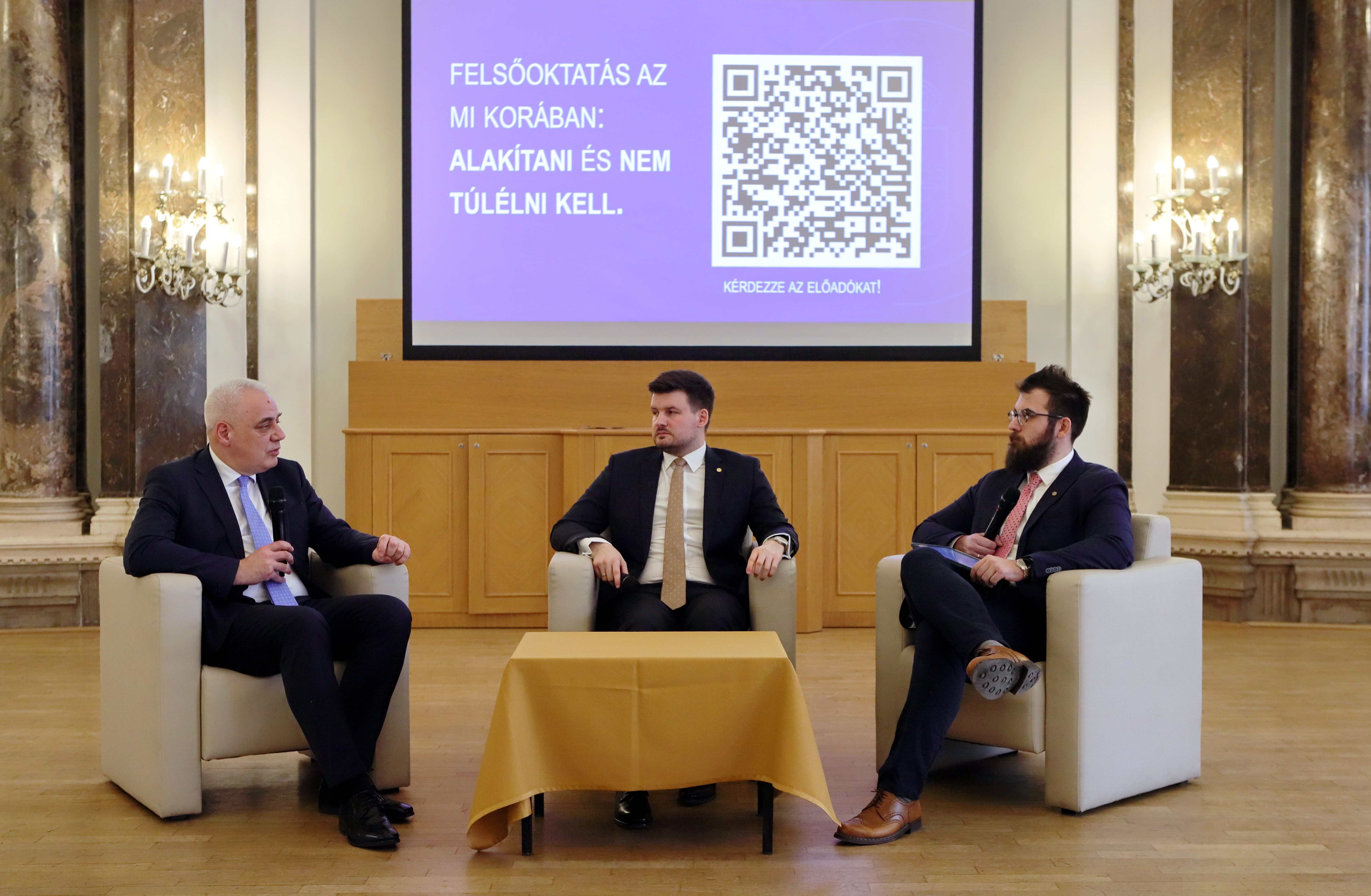

The programme was presented by Áron Badinszky, Rector’s Commissioner responsible for the implementation of the programme, who highlighted that the emergence of artificial intelligence has fundamentally transformed every dimension of higher education, posing challenges in teaching methodology, research ethics, regulation, and operations. He underlined that the outstanding ELTE community, working together, can provide responses that not only ensure AI excellence for all members of the University and future-proof, competitive knowledge for its students, but also strengthen ELTE’s leading role in the Hungarian AI ecosystem.
“Although this task entails a significant amount of work, ELTE’s exceptional resources – our academic community, our network of partners, and our role within the national AI landscape – provide a solid foundation for successful development. The flagship programme launched today acts as a comprehensive transformation project, catalysing and integrating university initiatives into a coherent system, while creating space for bottom-up ideas, best practices, and cooperative community learning,” emphasised Áron Badinszky.
Placing the professional objectives in a national context, László Palkovics, Hungarian Government Commissioner for Artificial Intelligence presented Hungary’s AI strategy and development priorities. He highlighted that Hungary currently ranks 19th globally in AI usage based on surveys. He identified ten key areas – among them education, healthcare, and public administration – where further development is needed for the successful application of AI, and stressed that ELTE is expected to play a prominent role in these efforts.
The Government Commissioner’s remarks were complemented by Viktor Vajda, Secretary-General of the Hungarian Artificial Intelligence Council, who outlined the Council’s responsibilities and operations. He explained that the Council’s primary task is to create a bridge between national and European Union regulations. He also highlighted the key role of universities in societal education and in the development of ethical frameworks, while noting that the regulatory sandbox to be launched in summer 2026 will open new opportunities for Hungarian researchers and developers.